


Weekly Crypto News: Telegram ($TON), Kraken Legal Battle, Sony Joining Crypto, And More
This week has been full of action in the crypto world, with major events like the arrest of Telegram's founder, Sony's entry into Web3, Kraken's ongoing legal battles, Binance launching the $EURI stablecoin, and more. Dive into the key moments of the past week’s crypto news that shaped the market.
CryptoUnity
Editorial
Published 2 yr. ago
5 minute read
This week has been full of action in the crypto world, with major events like the arrest of Telegram's founder, Sony's entry into Web3, Kraken's ongoing legal battles, Binance launching the $EURI stablecoin, and more. Dive into the key moments of the past week’s crypto news that shaped the market.
Kraken's Legal Victory Faces New Challenges
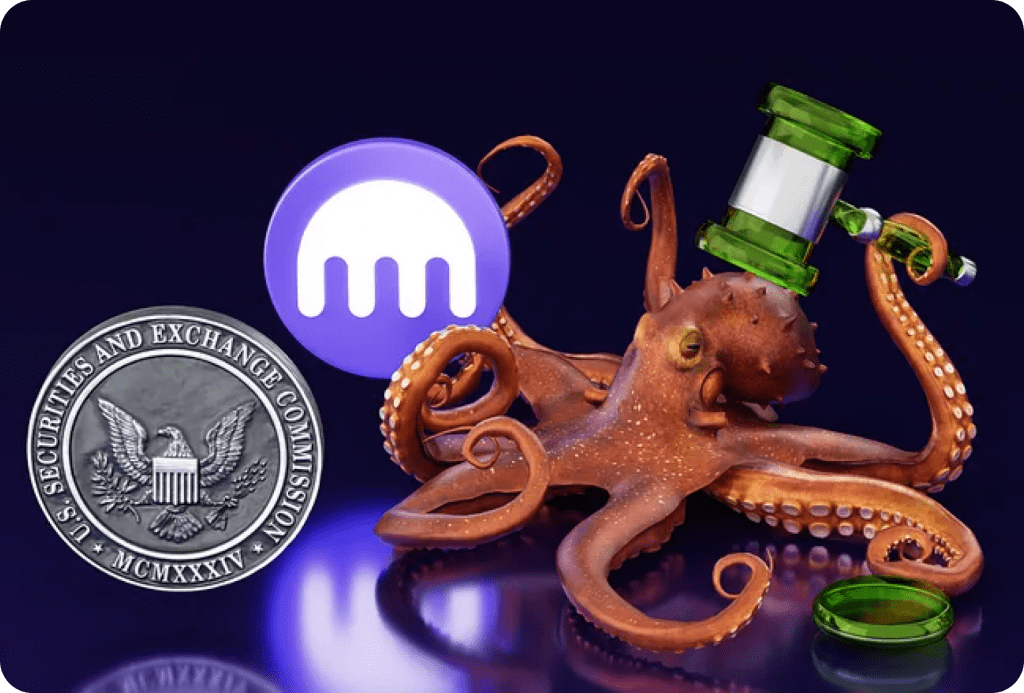
Kraken, one of the leading crypto exchanges, recently announced a major legal victory. According to Marco Santori, Kraken's Chief Legal Officer, a U.S. Federal Court in California ruled that none of the tokens trading on Kraken are considered securities. This ruling supports Kraken’s long-held belief that it operates within the law and provides more clarity on how tokens are classified. This decision could influence how other crypto exchanges are regulated, possibly making the whole crypto industry more legitimate.
However, the victory was short-lived. Just days after this ruling, another California judge decided that a separate case against Kraken, unrelated to token classification, will proceed to trial. This ongoing legal battle shows that while Kraken made progress, there are still many challenges ahead in navigating crypto regulations.
Telegram CEO's Arrest Causes Stir
Pavel Durov, the founder and CEO of Telegram, was arrested in France last weekend on serious charges, including terrorism, money laundering, and fraud. Although he was released on a $5 million bail, this incident has shaken the tech and crypto communities. Telegram is a major platform for communication in the crypto space, so Durov's arrest could have significant consequences.
Toncoin (TON), a cryptocurrency connected to Telegram, has been hit hard by the news. After Durov’s arrest, Toncoin’s price dropped sharply by 24% in just 24 hours. Additionally, The Open Network (TON) blockchain, which is linked to Toncoin, experienced two outages last week. These disruptions further impacted Toncoin's value and raised concerns about the future of the project.
The arrest has also sparked discussions about increased government scrutiny of digital platforms like Telegram. Some experts believe that this could lead to stricter regulations in the crypto industry, especially concerning privacy and security measures.

Sony Ventures Into Blockchain with Soneium

Sony has made a significant move into the blockchain space by launching a public testnet for its new Ethereum Layer 2 blockchain called Soneium. This new blockchain is designed to provide faster and cheaper transactions while maintaining the security and decentralization of Ethereum.
Sony’s entry into blockchain is a big deal because it shows that major tech companies are starting to take blockchain technology seriously. The Soneium project could lead to new innovations and attract more developers to build on this platform. Sony is also launching an incubator to support startups and projects that want to use the Soneium blockchain, which could help grow the blockchain ecosystem.
Binance Introduces MiCA-Compliant Stablecoin $EURI
Binance, one of the largest crypto exchanges, has listed a new stablecoin called $EURI, which complies with the European Union’s MiCA regulations. This new stablecoin is designed to be more secure and transparent, meeting the new rules set by the EU. $EURI is also one of the first stablecoins linked to the euro and the first MiCA-regulated stablecoin issued and backed by a bank in the EU, making it a significant addition to the crypto market.
This move by Binance shows how the crypto industry is adapting to new regulations, and it could encourage more people to use stablecoins, which are cryptocurrencies designed to have a stable value, like the euro or the dollar.

Shiba Inu Plans to Launch DAO
Shiba Inu, a popular memecoin, has announced plans to launch a decentralized autonomous organization (DAO). A DAO is a type of organization that is run by code, with decisions made by voting from the community members who hold tokens.
This move is significant because it shows that Shiba Inu is trying to become more than just a meme-based cryptocurrency. By launching a DAO, the Shiba Inu community will have more control over the project’s future, which could lead to more innovation and growth.
This week has been packed with significant developments in the crypto world, ranging from legal battles and arrests to new projects and regulatory changes. Stay tuned as we continue to monitor these trends and their impact on the cryptocurrency landscape. If you missed last week’s crypto news, be sure to check it out to stay fully informed.
Try this in the CryptoUnity app
Set up a weekly auto-purchase in about two minutes, and start with 0% trading fees for 30 days.
Download the appRead next
Market News
Bitcoin stalls below $65,000 while ETF money quietly returns — what actually moved this week
A $114 million hardware wallet hack, the best ETF inflow week since April, and a market that refuses to move in either direction. This week had three stories that matter to beginners — and one warning from EU regulators that you should read before anything else. We explain each one calmly, in plain language, and show what it means for you.

Education
Why do crypto prices move so much?
It's the question every beginner asks after their first week: why does the number keep moving? The answer isn't "because crypto is crazy" — it's four specific mechanics, and once you know them the movement stops feeling random. No jargon, no predictions, just how the machine actually works.
Education
How much money do you actually need to start with crypto?
"I don't have enough money" is the most common reason people put off starting. And it's almost always wrong. We explain why the entry barrier isn't what you think, why starting small is actually smarter than starting big, and how to work out the amount that lets you sleep at night. No jargon, no pressure.